Own the Outcome
Product management has always been about ownership. Now you have the tools to actually exercise it. Everyone's on the growth team. Form hypotheses, ship, learn, iterate. The velocity that required dedicated resources is now yours.
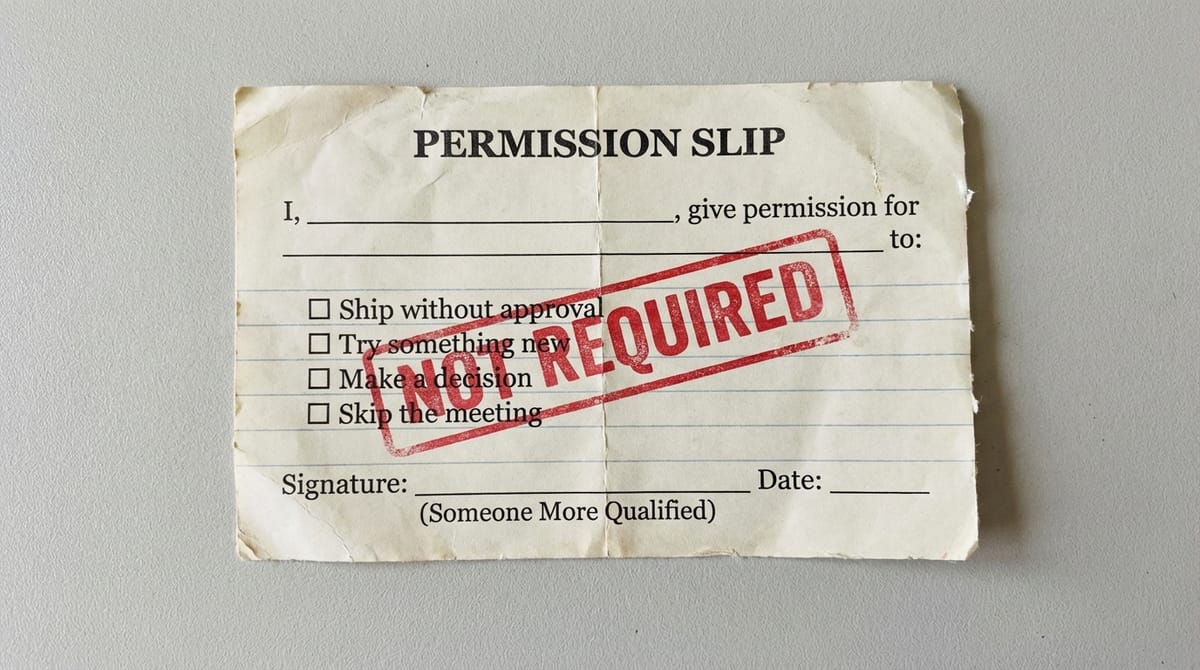
Everybody is now on the growth team.
Most product teams plan carefully and ship durable features. Growth teams work differently. They own outcomes, not roadmaps. They don't wait for specialists to move a metric. They form hypotheses, ship experiments, learn, iterate. That velocity used to require dedicated resources and organizational permission. Now it doesn't.
Product management has always been about ownership. But some spaces were harder to traverse alone. Now you have the tools. That data analysis? Design? Customer research? Go. You won't do it better than the experts, but you no longer have to wait for them to make progress. Own the outcome.
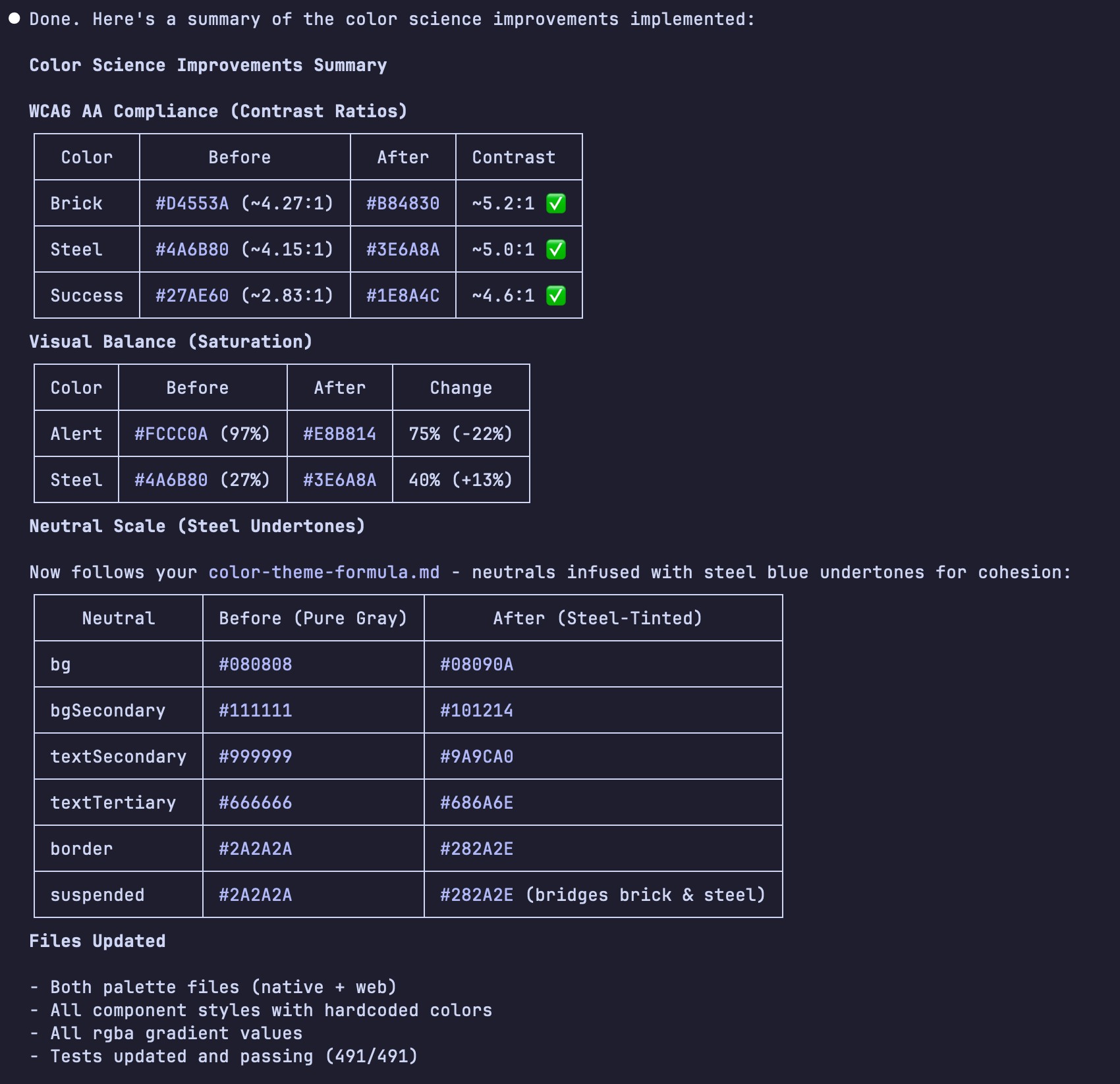
Last week, I asked Claude to review the interface of one of my side projects with the principles of "color science" and give me guidance. I don't know what color science is but I'd seen it mentioned a few times on my various timelines. The results felt better from a visibility, contrast and legibility standpoint in ways I couldn't have articulated, let alone fixed myself. I'm working outside of my comfort zone but I needed it to be better.
Yesterday I was trying to rally alumni volunteers from my undergrad to interview applicants. Blanketing existing and potentially new volunteers with a single general email with everyone on bcc does not get great results. I wanted to send individual tailored emails.
With Claude in Chrome driving my browser, I pulled profiles from the alumni directory of my existing and prospective volunteers to use as inputs to tailoring my message. I then had Claude Code build an app to manage my email account, creating drafts in my inbox for me to review.
We went through one by one, with it proposing copy highlighting how each person's unique experiences would be valuable to discuss with prospective students. Drafts created. Emails sent. What would have been incremental benefit that wasn't worth the lift for a volunteer project is now incremental work for a benefit that's absolutely worth that cost.
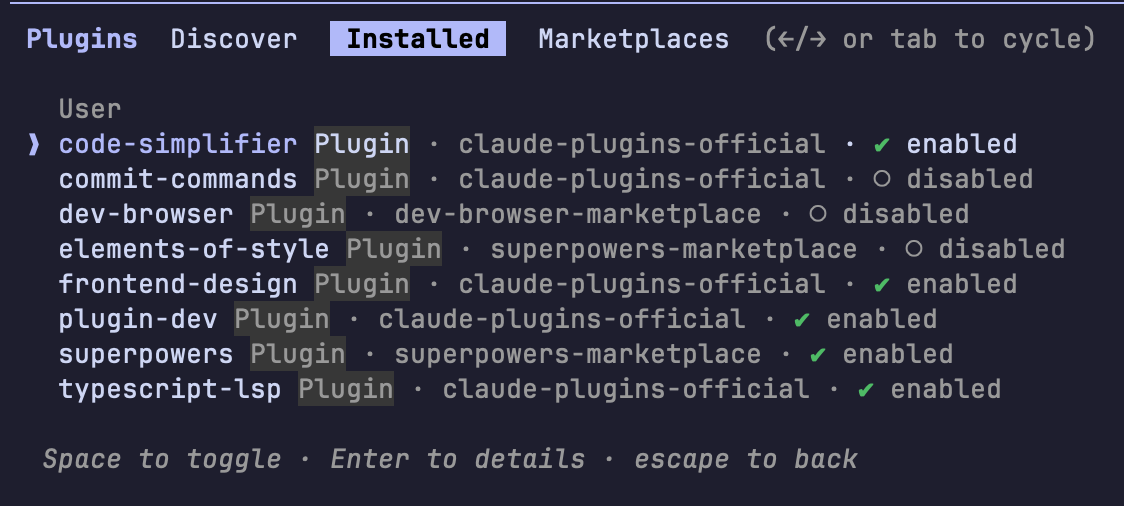
Within my development workflows I have code simplifying agents and code review agents and frontend-design agents all working together to make sure my side project or client work or prototype aren't absolute garbage. I can summon expertise and competence in a range of areas so I can focus my attention on the question my prototype is answering or the problem the product is solving.
The ability to form a thesis, validate it, gather results, and iterate is unprecedented. In the before times we had weeks or months-long arcs to ship a thing that was "strategic." That's done. We used to measure twice and cut once. Now we can measure twice and cut a dozen times. And keep the cut that's best in a fraction of the time.
Even outside of product teams, many are caught in the patterns of planning and discussion at the cost of action and real insight. I've sat in meetings longer than it now takes to definitively answer the question being debated. It's hard to internalize the speed at which ideas can now be validated.
With software becoming more abundant you do need to be more strategic than ever before. (I know. Ironic, right?) Speed without direction is motion, not progress. You need to understand what you're trying to accomplish and where you're heading, not just so you pick the direction, but so you can aggressively cull the failures. We can create more but more isn't the objective. Better is the objective. A bias for action and a focus on results are now possible for everyone.
Own the outcome. Everybody's in growth.